Virtual Pub Quizzes Won't Save Your Culture: Rethinking Connection in the Hybrid Workplace

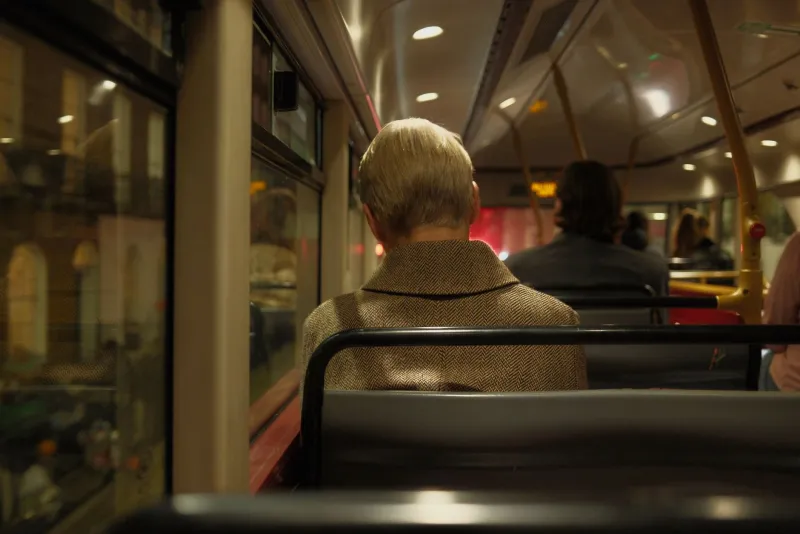
Photo by Photo by Rhamely on Unsplash on Unsplash
There is a particular kind of weariness that descends on British employees when a calendar invitation arrives titled 'Team Social — Virtual Edition'. The quiz master is enthusiastic. The breakout rooms are pre-assigned. And everyone involved knows, privately, that they would rather be anywhere else.
We should be honest about this: much of what passes for remote team-building is performative. It exists so that leadership can point to something and say culture is being maintained. It rarely changes how colleagues actually feel about one another, and everyone quietly knows it.
The Problem Is Not Hybrid Working — It's Wishful Thinking
Hybrid working did not kill office banter. What it did was remove the incidental moments — the kitchen conversation, the shared groan at the printer, the post-meeting debrief in the corridor — without requiring businesses to replace them. Many did not replace them at all; they simply scheduled a social event and hoped proximity of a kind would follow.
The offices that struggle most are not those with the most hybrid policies. They are those with the least intentionality. Banter was never the product of the office; it was the product of repeated, unforced, low-stakes interaction. Remove the setting and you must engineer the interaction — or accept the slow drift of colleagues into polite strangers.
What UK HR Leaders Are Actually Seeing
In conversations with HR directors across sectors — from professional services in London to manufacturing in the Midlands — a consistent picture emerges. Mandatory fun is resented. Large virtual events are attended in body, not in spirit. What does work, almost universally, is connection woven into the fabric of work itself.
One HR lead at a Leeds-based technology firm described replacing their monthly virtual social with 'working sessions with a social spine' — collaborative problem-solving meetings that begin with ten minutes of genuinely unstructured conversation. Attendance is voluntary. Participation is high. The difference, she noted, is that people are connecting around something, not being asked to connect in a vacuum.
Another, at a Bristol marketing agency, swears by paired 'coffee roulette' — a randomised fortnightly fifteen-minute call between colleagues who would not otherwise speak. No agenda, no facilitator, no quiz. The point is frequency and randomness, not production values.
Which Hybrid Rituals Actually Stick
Looking across the organisations getting this right, the rituals that endure share four characteristics:
- They are attached to work, not separate from it. Kick-off questions, show-and-tell slots and retrospectives with a human opening outlast standalone socials.
- They are small and frequent. Fifteen minutes fortnightly beats two hours quarterly. Connection is a rhythm, not an event.
- They are optional and unpoliced. The moment attendance is monitored, the ritual curdles into obligation.
- They create shared context. Inside jokes, running references and small traditions give distributed teams the same cultural shorthand that the office kitchen once provided for free.
A Better Framework: Design the Moment, Not the Event
The practical alternative to performative team-building is what we would call deliberate connection moments: short, recurring, purpose-built interactions placed where work already happens. Open every project meeting with two minutes of human check-in. Pair new starters with a non-managerial buddy for a weekly chat. End the week with a five-minute 'wins and blockers' thread. Anchor in-person days — where they exist — around genuine collaboration rather than back-to-back video calls in a shared room.
None of this requires a budget line, an events agency or a facilitator with a guitar. It requires managers to treat connection as a design problem rather than a social one.
The office banter of the pre-2020 workplace was never the goal. It was a symptom — of proximity, familiarity and shared experience. Hybrid businesses can still have that symptom, but only if they stop prescribing the cure nobody wants and start building the conditions everyone needs.