Small Rituals, Strong Teams: Why the Tea Round Beats the Away Day
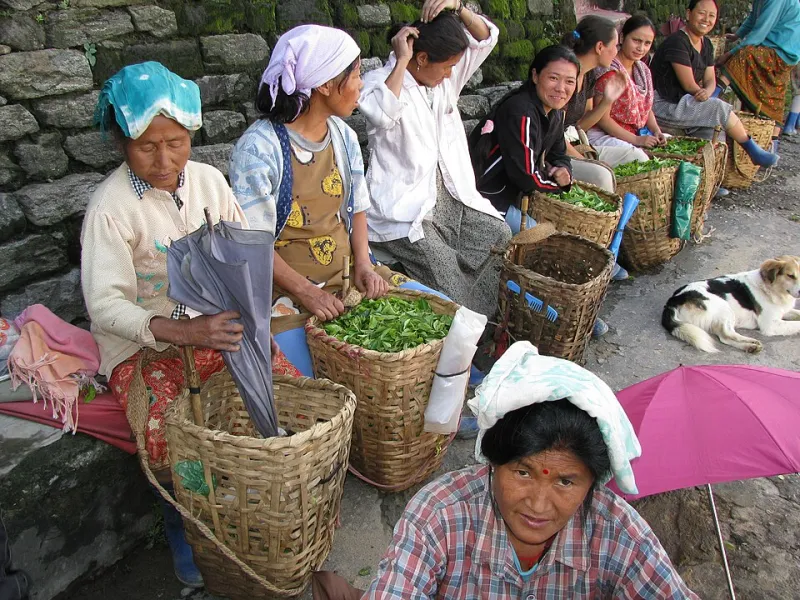
Photo: shankar s. from Dubai, united arab emirates, CC BY 2.0, via Wikimedia Commons
There is a stubborn belief in British corporate life that team cohesion is something you buy. Book the venue, hire the facilitator, gather everyone in a converted barn outside Milton Keynes, and cohesion will be delivered alongside the buffet lunch. Yet ask people what actually made them feel part of a team, and they rarely mention the ropes course. They mention the small things: the shared joke, the ritual greeting, the person who always makes the brew.
The evidence backs the anecdote. Psychologists who study group cohesion talk about the power of repeated, predictable interaction — small rituals that signal belonging and create shared identity. A single £10,000 away day cannot compete with ten weeks of tiny daily signals. So here are ten rituals that cost almost nothing and can be embedded within a working week.
1. The Monday Five-Minute Check-In
Open the week's first meeting by going round the team with one question: "what's on your plate this week?" A Manchester-based software firm we work with runs it religiously and reports that it surfaces blockers days before they become problems. The psychology is simple: it forces every voice into the room early and establishes that the team's week is a shared endeavour.
2. The Rotating Tea Round
Deeply unfashionable, quietly brilliant. A rotating brew rota distributes a small act of service evenly across the team and gets people moving to other desks. A Leeds accountancy practice swears their rota does more for cross-team chat than any intranet. Reciprocity is one of the most reliable levers in social psychology — small favours, traded regularly, build goodwill faster than grand gestures.
3. The Friday Wins Round
End the week by each naming one thing that went well — theirs or a colleague's. It takes five minutes, and it trains the team to notice each other's contributions. Behaviour that gets recognised gets repeated.
4. The Walking One-to-One
Take one-to-ones outdoors for twenty minutes when the weather allows. Side-by-side conversation lowers the formality that face-to-face meetings impose, and British managers report people say things on a walk they would never say across a desk.
5. The No-Agenda Coffee Pairing
Once a fortnight, pair team members at random for a fifteen-minute coffee. A Cardiff marketing agency runs it with a simple spreadsheet and credits it with connecting their designers to their account handlers. Familiarity breeds trust; trust breeds candour.
6. The Meeting Handover Question
End every meeting with: "who needs to know what we've decided?" It takes thirty seconds, prevents duplicated work, and signals that information belongs to the team, not the meeting room.
7. The Learning Shout-Out
Start one weekly meeting with a sixty-second share: something someone learned, read, or got wrong. Normalising fallibility is the fastest route to psychological safety — the single strongest predictor of team performance in the research literature.
8. The Birthday Bake (or Buy)
Mark birthdays with something edible and communal. It sounds trivial because it is — and that is the point. Rituals work precisely because they are undemanding. Nobody needs to be vulnerable or brave to eat a fairy cake.
9. The Open Question Board
A whiteboard or channel where anyone can post a question for the team to answer informally. It gives quieter members a low-stakes way to participate, which matters more than managers often realise.
10. The End-of-Project Post-Mortem Tea
Not a formal retrospective — a cuppa and fifteen minutes on what we'd do differently. Doing it over tea rather than in a booked room strips out the defensiveness and keeps the habit repeatable.
Why the Small Stuff Wins
The common thread across all ten is frequency, not intensity. Cohesion is not built in a single memorable afternoon; it is accumulated through hundreds of small interactions that say "you belong here." An away day can be a valuable catalyst — we would hardly say otherwise — but it is a catalyst, not the compound. Without daily rituals to sustain it, retreat energy fades before the coach reaches the depot.
The best news for hard-pressed managers: none of the above requires a training budget, a sign-off, or a steering group. Pick two, start on Monday, and give them a month. The teams that feel strongest are rarely the ones that spent the most. They are the ones that did the small things, consistently, together.