The Appointed Sceptic: Giving Constructive Doubt a Seat at the Table
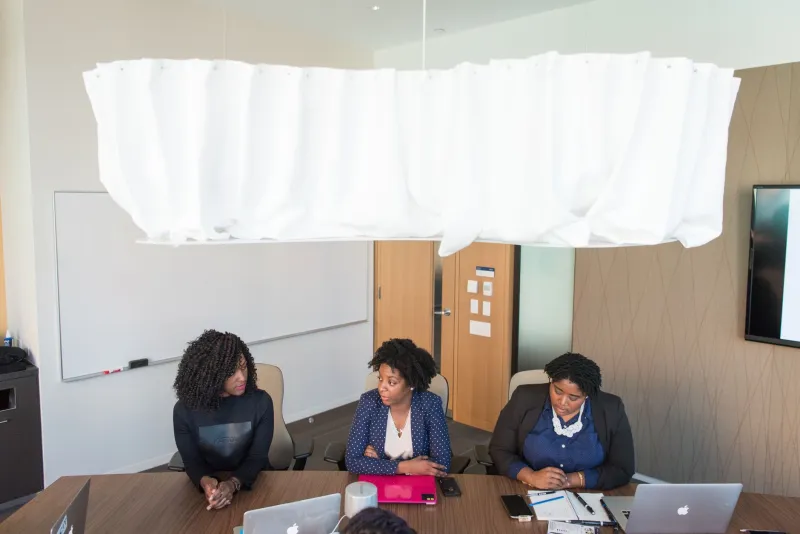
There is a particular sound in UK organisations that should worry leaders more than open conflict. It is the sound of a meeting agreeing. Heads nod. Minutes are taken. Actions are assigned. Then, three months later, the same team meets again to explain why the plan did not work. Nobody saw it coming, they say. In truth, several people did. They simply chose not to say so at the moment when it would have mattered.
The problem is rarely that teams lack insight. It is that teams lack permission. In a culture that prizes courtesy, raising an objection can feel like a personal attack or a career risk. The result is a form of collective silence that looks like alignment and behaves like blind spot. One practical response is to make dissent an explicit, rotating responsibility: a designated sceptic whose job is to ask the awkward question while the decision is still open.
The Polite Pause That Costs a Quarter
UK workplaces have many strengths, but a comfortable relationship with disagreement is not always among them. We are trained to soften, to hedge, to preface criticism with reassurance. This is not weakness; it is social competence. Yet in a decision-making context, excessive softening can delay the very conversation that needs to happen. A project drifts. A supplier is chosen because nobody wants to reopen the tender. A restructure is approved because the room is tired and the chair wants to close the agenda.
The cost is not abstract. It appears as rework, as missed risks, as the quiet frustration of people who raised concerns in corridors but not in the room. By the time the issue surfaces formally, it is often too late to change course cheaply. The team has not failed for lack of intelligence. It has failed for lack of a structured moment in which intelligence could be used.
What the Role Is — and What It Is Not
A rotating sceptic is not a professional pessimist. The role is not an invitation to obstruct, to relitigate settled points, or to perform cleverness at the expense of progress. It is a time-boxed assignment within a specific meeting or decision: one person is asked, in advance, to stress-test the proposal from the perspective of risk, implementation, and unintended consequence. They are not there to oppose for its own sake. They are there to make the strongest case for caution so that the eventual decision is made with eyes open.
The distinction matters. A sceptic asks: what would have to be true for this to fail? Which assumption is carrying the most weight? Who has not been consulted? What does the first week of implementation actually look like? These are constructive questions, not verdicts. The role works best when it is framed as a service to the team rather than a challenge to the presenter.
Setting the Terms Before the First Meeting
Introducing the role without preparation is the fastest route to it becoming a gimmick. Before the first rotation, the team should agree three things: the scope, the duration, and the boundary. Scope means which meetings or decisions the role applies to — perhaps major project approvals, quarterly planning, or any proposal above a certain budget. Duration means how long the person holds the role, typically one meeting cycle or one quarter. Boundary means what the sceptic may and may not do: they may ask questions and request evidence, but they may not veto a decision or delay it beyond an agreed point.
The chair should name the sceptic in the agenda, not at the start of the meeting. This gives the person time to prepare and signals that the role is part of the process rather than an ambush. A short written brief helps: two or three questions the sceptic will bring, circulated alongside the papers. The team then knows that challenge is expected, which lowers the social cost of raising it.
Protecting the Person in the Chair
The rotating sceptic only works if the person holding the role is safe. In practice, this means the chair must visibly welcome the challenge, thank the sceptic by name, and ensure that the ensuing discussion is about the proposal rather than the personality of the questioner. If the sceptic is junior to the presenter, the chair should explicitly equalise the exchange: 'This is the risk review we asked for. Let us treat it as such.'
It also helps to rotate the role across seniority and function. If the same person is always sceptical, the role becomes an identity and the team stops hearing it. If the most junior person is always asked to challenge the most senior, the role becomes a test of courage rather than a habit of judgement. Rotation distributes both the burden and the learning.
Finally, the sceptic should never be performance-managed on the basis of how often they object. The measure is quality of challenge, not volume. A sceptic who asks one decisive question is more valuable than one who generates ten minor ones. The chair should record which challenges were accepted, which were answered, and which remain open — not to score the sceptic, but to show that the exercise changed something.
From Gimmick to Habit
The difference between a gimmick and a habit is repetition with consequence. A gimmick is a labelled chair and a knowing smile. A habit is a standing agenda item, a named role, a written record, and a follow-up. Teams that sustain the practice tend to do three things: they review the role every quarter, they ask the sceptic what they noticed that the team missed, and they close the loop by reporting back on how the challenge influenced the final decision. Over time, the role stops being a role. It becomes a reflex.
This is the deeper prize. The aim is not to have one appointed doubter in every meeting. It is to reach a point where any team member can ask 'what could go wrong?' without needing a formal title. The rotating sceptic is a scaffold, not a permanent fixture. It gives the team practice in a behaviour that many UK workplaces have under-exercised: constructive, specific, unapologetic challenge delivered in the room where decisions are made.
The Stronger Habit Beneath the Role
Silent consensus feels efficient, but it is often just deferred conflict. A team that cannot disagree early tends to disagree later, when the stakes are higher and the options are narrower. By giving doubt a legitimate seat at the table — even a rotating one — leaders can shift the culture from politeness to candour without abandoning either. The question is not whether your team has concerns. It almost certainly does. The question is whether your meetings are designed to hear them while there is still time to act.